
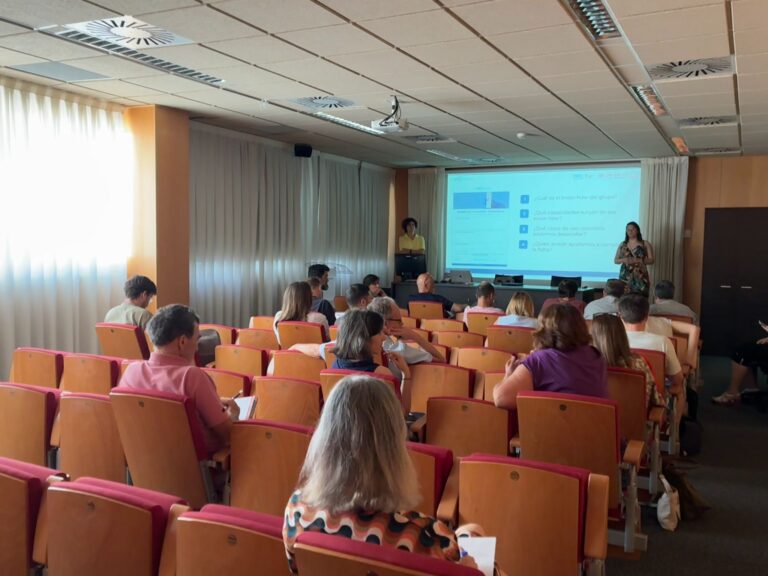
The dynamic combined strategic reflection with very practical tools. We started with the PIs (Principal Investigators) to detect transfer pathways with potential for impact and prioritize those where the problem-solution fit and technological maturity were most favorable. From there, we accompanied the researchers in grounding each capability and use case: what it solves, for whom, in which sectors, with what evidence, adoption requirements, TRL (Technology Readiness Level), and next milestones.
The process included a brief training on market tools —stakeholder map, value proposition, initial use cases— so that each file spoke a shared language with the company. This allowed us to move from academic descriptions to clear and actionable messages, while maintaining scientific rigor.
The result has been a structured and coherent catalog of technological capabilities, designed to open conversations with companies, administrations, and innovation agents: comparable files, common prioritization criteria, and a roadmap of applications that makes it easier to detect collaborations and projects. Additionally, each group took away a list of next steps (validations, demonstrators, contacts) to accelerate the transfer.
We thank the Innovation Committee for their involvement and support throughout the process, and the research team for their availability and openness. For us, it is a privilege to help research find concrete paths to the market and generate real impact.